The Unashamed Lived Experience Blog
Real stories of OCD and intrusive thoughts, shared so the next person feels a little less alone
Sharing Your Experiences
This is one of my favourite parts of Inside Intrusive. It’s where you can submit your own story of OCD: ideally stories of hope (not the linear kind), something that helped you, or simply your experience put somewhere it can be seen.
Every submission is read and lightly refined before it goes up, so the space stays safe. Then it lives here, for people to read on the days they need to feel less alone.
Recent uploads:
Anna

At the beginning of 2026, I had no idea how difficult the next few months of my life would become.
I had always experienced anxiety to some extent, but I was still living my life. I went to school, went to the gym, spent time with my friends and family, thought about my career, relationships, and my future. I could exist without constantly observing and questioning myself.
Then one day, I saw a video that brought up the topic of being transgender. I didn’t think much of it at first, but later, while I was in the shower, my brain suddenly asked:
“Are you trans?”
I remember that exact moment so clearly. My heart dropped.
It felt like my brain had just asked me the most urgent question in the world, and from that moment on, I felt like I needed to figure out the answer.
I began analyzing everything about myself—my childhood, my clothes, my body, my relationships, my sexuality, my personality, and how other people perceived me. Things I had never questioned this intensely before suddenly felt like evidence.
No answer was ever enough.
If I thought, “I’m comfortable being a woman,” my brain asked, “But are you sure?”
If I thought, “I don’t want to transition,” it became, “What if you’re just afraid?”
If I felt feminine, I analyzed it. If I felt masculine, I analyzed that too.
Eventually, it became bigger than gender. It became a constant question of “Who am I?”
The hardest part was losing my ability to be present.
I missed going to the gym without analyzing myself. I missed watching movies without comparing myself to people on the screen. I missed being with my friends and family without another conversation constantly happening inside my head.
Sometimes I became anxious when I wasn’t thinking about gender because my brain had become so accustomed to the obsession.
Through therapy and learning about OCD, I began to understand that the problem was not that I had failed to find the right answer. My brain had convinced me that I needed complete certainty before I could move on with my life.
But OCD never gives you that certainty.
I tried researching, reassuring myself, replaying memories, checking my reactions, and imagining every possible future. I would sometimes feel relief, but eventually another question would appear.
Recovery has meant learning that I do not have to answer every thought.
I can go to the gym while uncertainty is there. I can spend time with my friends. I can focus on school, my career, my faith, and my future without constantly trying to solve myself.
I am still recovering. I still have difficult days, and my story does not have a perfect ending yet.
But I am slowly getting my life back—a workout where I stay instead of leaving, a conversation where I realize I was actually present, or a day where the thoughts exist but do not control everything I do.
I used to think recovery meant going back to exactly who I was before this happened. Now I think it means learning that uncertainty can exist without running my life.
If someone reading this is experiencing something similar, I want them to know that you do not have to figure out your entire identity right now.
You do not have to investigate every thought.
You do not have to turn every feeling into evidence.
OCD may demand an answer.
You do not always have to give it one.
And slowly, I am learning how to live my life again.
Reece
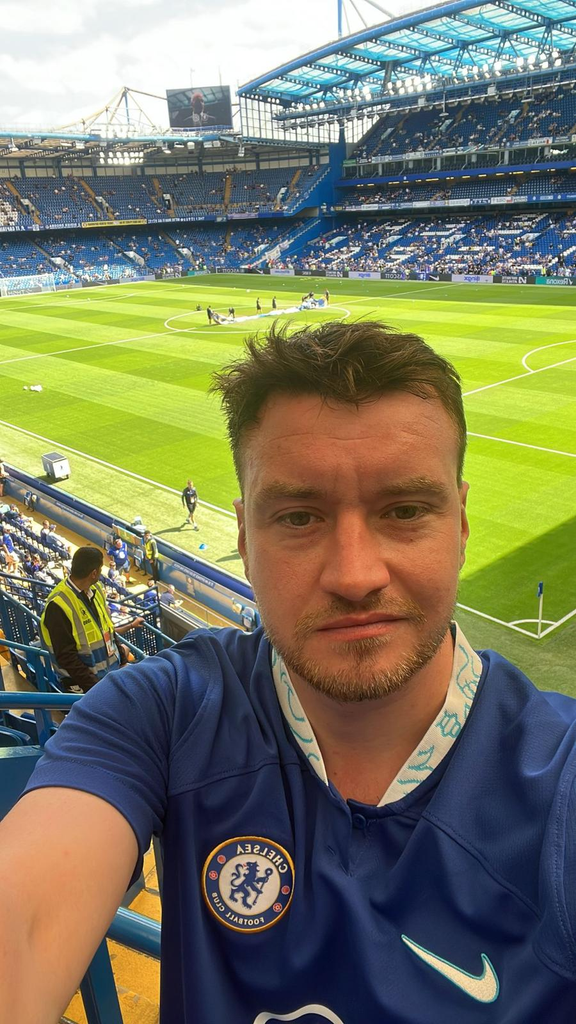
My Name is Reece I’m 33 and I have suffered from OCD since I was a child around 5 when I used to always ask friends if they like me and always wanted to feel love from their parents.
At 12 my OCD was at its worst and I still suffer with OCD today. It has definitely been difficult and nearly taken my life several times but because of my amazing family, friends and therapists I’m still here today.
After having a breakdown at 33 holding it in for so many years and fighting it alone since I went to Maudsley hospital in my 20s, I came across Molly’s interview online aged 32. I had always felt shame and guilt talking about it.
I broke down in tears and my mum was so happy to see Molly being brave talking about it.
I made it my mission to get better with OCD and I always knew I was a good person and needed support. Molly has created this group for sufferers to use and I can honestly say it has changed my life. I had help from a good friend Josh Munn who is one of the therapists I reached out to.He is part of the incredible team of therapists on group calls and I started to see him. Molly introduced more therapists on the group calls and they have been brilliant as they are so knowledgeable and understand OCD which is amazing for me.
Georgia and Shawna and the team have so much empathy and knowledge and they too suffer from OCD which means they understand and they are one of us who unluckily have this destructive mental health problem.
I want to say to anyone who suffers OCD you are worth living. I’m proof that with this group that Molly created you can recover as the help that they provide is outstanding.
Remember intrusive thoughts are not you and thoughts don’t mean anything about you or your character.
Buddhism teaches the concept of Anatta, meaning there is no fixed, permanent soul. Because you can watch your thoughts appear and disappear without dying yourself, you cannot be those thoughts.
Thanks Molly and her Team.
Jack
If I could travel back ten years and watch Molly’s interview on live national television, hearing her speak so openly about the fear, shame, and confusion of living with a rare form of OCD known as POCD, I genuinely believe it would have saved my life.
Ten years ago, I went through exactly what she described. I lived with the unbearable uncertainty that I was capable of being something I never wanted to be. I didn’t know what was happening to me. I didn’t know that OCD could target the things a person fears most.
In 2016, being around children became almost impossible. I couldn’t look at them. I didn’t want to be near them, especially if I was alone in public. Every encounter filled me with overwhelming anxiety. The intrusive thoughts, the false sensations, the crushing guilt, and the constant confusion took over every part of my life. Children weren’t simply triggers for my OCD—they became symbols of danger. My brain convinced me they were a threat, not because they were, but because OCD had distorted my thinking.
I’ll never forget my last day at university.
I was travelling home by train and sat in an empty seat. A mother and her young daughter, who looked about six or seven years old, sat nearby. Almost instantly my body went into panic mode. My palms became sweaty. My eyes twitched as I desperately tried to look anywhere but in their direction. Inside, I was terrified.
The intrusive thoughts began.
I turned the music up on my iPod, fixed my eyes out of the window, and did everything I could to avoid making eye contact with the little girl. I was frightened that even looking in her direction would somehow make me look suspicious. The effort of trying to suppress every thought and every feeling was utterly exhausting.
When I got home, I convinced myself nothing was wrong. I kept repeating, “I’m just tired. That’s all.”
But I wasn’t tired.
I was unknowingly living with OCD, and it was quietly creating an endless cycle of intrusive thoughts, fear, doubt, and anxiety.
As the days passed, everything became worse. The guilt grew stronger. The anxiety became relentless. Even something as simple as going for a walk alone felt impossible. If children were walking towards me in the street, my heart would race. I would change direction, avoid eye contact, or leave the area entirely. My world became smaller and smaller.
At my lowest point, I truly believed there was only one way to escape what I was experiencing. Suicide.
I believed my life was over.
What I didn’t know then was that I wasn’t becoming the person I feared. I was living with OCD.
If someone had explained to me that intrusive thoughts are a recognised symptom of OCD, that they do not reflect a person’s character or intentions, and that effective treatment exists, everything could have been different. Till this day, I continue my battle with OCD through a combination of self-care, regular outdoor exercise, and monthly sessions with my therapist. Their knowledge, guidance, and support have been invaluable in helping me understand OCD and develop healthier ways to respond to the episodes I face week after week.
If you think you may be experiencing these kinds of intrusive thoughts, here are a few things you can do straight away:
* Stay calm and, if possible, move to a place where you feel safe and comfortable.
* Be open with someone you trust. Let a family member or close friend know what you’re experiencing rather than suffering in silence.
* Seek support from a qualified mental health professional who has experience treating OCD.
* Keep a journal of your intrusive thoughts, noting the situations or triggers that seem to bring them on. This can help you and your therapist identify patterns and work through them together.
Remember that intrusive thoughts are a symptom of OCD, not a reflection of your character, values, or intentions. Although they can feel frightening, they are thoughts—not actions. Continue looking after yourself through regular exercise, good sleep, balanced nutrition, and activities that help you stay connected with everyday life.
That is why I’m sharing my story.
If even one person reads this and recognises themselves, I want them to know this:
You are not alone.
You are not your intrusive thoughts.
James
My name is James and I have suffered with OCD and anxiety since I was around 8 years old. I am now 39 and I would consider myself in recovery from OCD. However, for me recovery does not mean that obsessions and compulsions do not come and go! It just means that I know mostly what I need to do when I have a spike.
Initially my obsessions showed themselves as repetitive behaviours and checking doors, windows and light switches. I was exhausted at night as I constantly checked. For a young child this was confusing and scary. I also had scary thoughts that harm may come to me and my family. As a compulsion I would try to think “good thoughts”.
As I reached my teenage years the overt outward compulsions ebbed and flowed, but I became more introverted and spent quite a bit of time ruminating on various obsessions. I felt anxious a lot during my college years and would obsess over things that seemed outrageous, believing once that I had turned up to college without trousers on! I then tugged at my trousers during classes to reassure myself that I had indeed not forgotten to put trousers on!
As I got into my twenties the obsessions became more overtly violent. Thoughts of stabbing myself or family members or jumping off a bridge. I remember waking in the night in a cold sweat and believing I could snap and do something completely out of character. I kept all of this to myself believing that I would be sectioned or arrested if I told anyone my thoughts. I had no idea this was OCD. I believed I was going insane.
After being unable to contain my despairing thoughts I eventually broke down in tears and told my family everything. I went to the GP and was prescribed medication and started therapy. In my late twenties I was eventually diagnosed with OCD. It was a massive relief. To know that I had a disorder. That it was not my fault.
I committed to doing advocacy work for some years and talked openly on radio and television as well as doing some blogs. I felt this experience really empowered me and made me feel like I could help others.
Now in my late thirties I still have an anxious and obsessive brain. I still have peaks and troughs with my OCD and anxiety. That’s ok. No one said recovery was never having an obsession or never feeling anxious ever again. I have met many people with OCD over the years and have a few close peers who have been with me on my journey. I can honestly say that people with OCD are often the most courageous, compassionate and empathetic people you could meet. All living with an illness that takes so much but gives them an iron-clad will to succeed despite the trials and tribulations it puts in their way.
Victoria
My story starts when I was a child. I’d obsess over my parents dying and have rituals to keep them safe. I had harm ocd when I was only 10 but didn’t know that’s what it was. I obsessed about my sexuality and then my health and had crippling anxiety that never made sense to me.
Then in 2014, when I was 18, I met this guy and he was everything I’d ever dreamed of. The absolute love of my life. Things were basically perfect and I was on cloud 9. Then one day, I had an intrusive thought: ‘I don’t love you’.
This set off my first serious episode which lasted for about 9 months. At its worst I was bed-bound, not wanting to wake up in the morning out of fear of what other thoughts might come up. I was incessantly googling, completely confused about why I would think something like that about someone I was so seemingly crazy about.
I saw a psych at the time and told them the thoughts and they said ‘oh well maybe we’ll try you on Lexapro and then we will figure out whether the thoughts are true or not’. Probably the worst thing they could say to someone with ocd. So from then, I promised myself I wouldn’t divulge anymore thoughts to them. I tried breaking up with my partner almost every week even though it wasn’t what I wanted. I just desperately wanted to get rid of the thoughts. Then one day, the thoughts just disappeared and I went back to ‘normal’. No thoughts. No compulsions. As if the whole thing never happened.
Then it came back. Another episode began for about 6 months this time. Compulsions. Depression. Anxiety. The whole thing. Then it would disappear, as if it never happened. I kept cycling in and out of these terrifying episodes for about 8 years. Never knowing what was wrong and why my brain was telling me such awful things about my partner.
In 2023, I fell pregnant with our daughter and this would set off one of the worst episodes of my life. Immediately the thoughts ramped up and held me hostage. I stopped leaving the house, became severely depressed and was set on ending my life after our baby was born. At 6 months pregnant, I was writing goodbye letters to my family, in preparation for my eventual suicide. At 32 weeks pregnant, I was hospitalised and formally diagnosed with ocd. I remember sitting alone in a hospital bed, thinking my life was over.
I got out of hospital and met my psychologist who specialised in ocd. She told me I wouldn’t be able to get rid of the thoughts and that the thoughts were here to stay. Again, I thought my life wasn’t worth living if that was the case.
Heavily medicated (three types of medication) and heavily pregnant, I went into labour and had our baby girl. I was still so sick and wrapped up in mental compulsions BUT I knew I couldn’t possibly leave the earth and not take care of our little girl.
So my fight began. Gradually, through therapy and the right medication, the light in my life started to creep back in. I want to be clear – the thoughts did not stop. But my compulsions eventually did.
Two years later, I still live with ocd everyday. I still experience intrusive thoughts. The difference is I live my life alongside them and have stopped paying attention to them. They no longer take centre stage – instead my husband and my daughter do.
When I had my first episode my ocd told me I wouldn’t be able to have a life with this man. That it was going to destroy us and rip my dreams apart.
My reality today is that I STILL get to love this man and we are living out my dream life with our little girl. The compulsions are basically gone now and I just have ocd chatter. Some days it’s barely there, other days it’s loud. On the loud days I use my tools. I would not change this journey for anything. I am so much more resilient and I am humbled by my experience.
There IS hope. You can live your dream life with this disorder. Never suffer alone. Find someone who specialises in ocd and keep an open mind with medication. It will save your life.
Anonymous
I can remember the day my life changed forever. 6 years ago I went to sleep one night and was awoken by a terrible intrusive nightmare. From this point on I spiralled wondering why I had the dream and why I would ever have such a disturbing thought ( even though entirely out of my control) for months I struggled wondering what was wrong with me.
I tried talk therapy before I knew what I was dealing with was OCD. I could not speak to family, friends or anyone because how could I open up about how I am having sexual thoughts and dreams about everyone I love.
It wasn’t every single day, it would go away for stretches of time. This past December I came home for winter break and there I was, back to square one with it being amped up to the max. I couldn’t fathom how my favorite time of year could feel so miserable, where days felt long and sad and I wanted to not be here anymore… just to gain some peace.
I started therapy right before Christmas and I am still going to this day. It is hard to accept something you don’t feel like you deserve. But, it does get easier knowing there are so many people out there that also deal with this. Is it fair to any of us? Absolutely not.
However, we are not alone. This community of people is one of the reasons I am still here putting in the work. I understand now nothing was ever wrong with me, there was a lack of representation, help and stigma, the list goes on. We are all so strong and I hope anyone reading this knows that sure, we may die with this disorder, but we will not die BECAUSE of this disorder. Hugs to you all that read this. <3
Riley
I was 15, and I was stuck in an endless thought loop on whether or not I was the worst human being for months on end. I would wake up and there would be 3 seconds of peace , before the thoughts would turn on and dictate my life.
If I saw a group of people talking, I’d convince myself they were going to hurt me. I moved school simply because I saw someone tap on a table and my intrusive thoughts convinced me they were out to ‘jump’ me. I knew that wasn’t the case deep down, but when you have these thoughts, you doubt what is reality and what is your mind.
I would have these intrusive thoughts on the bus to school, and was genuinely convinced people could hear what I was thinking. The amount of times I’d have a conversation with someone and think about it later wondering ‘did I say anything offensive ‘ or ‘ could they interpret what I said badly ‘ (obviously I would never say something offensive but OCD makes you lose your sense of self and values. The key thing is to know who you are and identify those intrusive thoughts that aren’t you .
Charlotte Duff
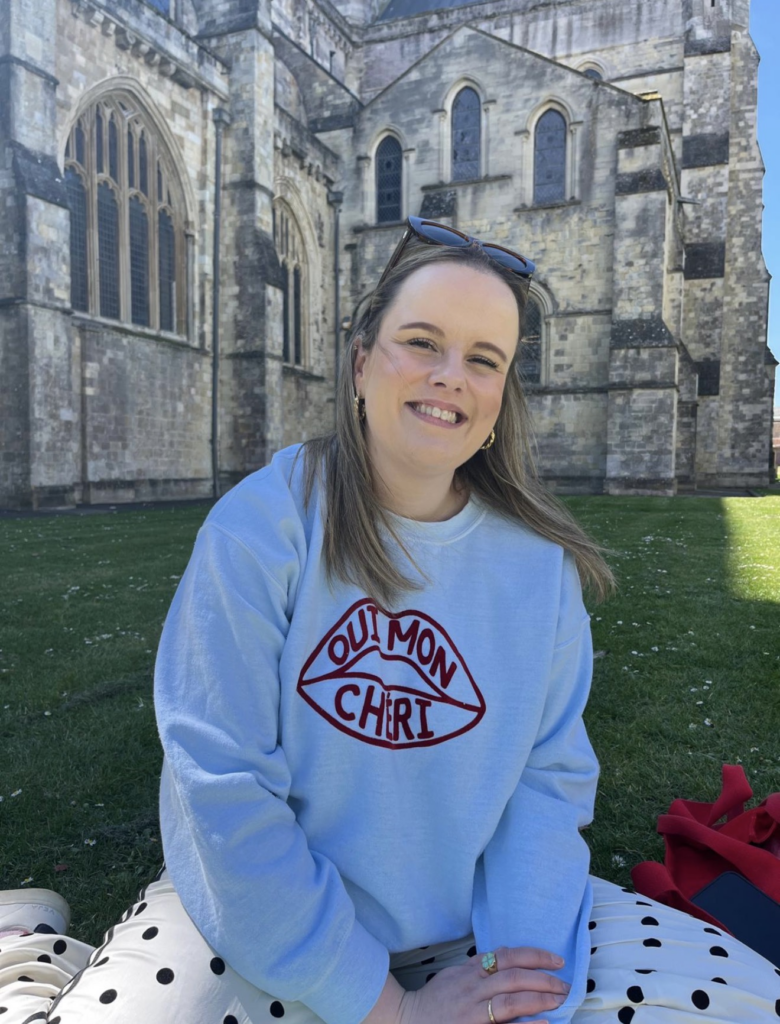
I’m actually experiencing an OCD spike at the moment and I’m leaning on the many tools that I’ve learned.
Firstly, I’m living my life anyway! OCD does not get to dictate what I do or don’t do. I’m still going out, spending time with loved ones and still doing things that bring me joy.
Secondly, anxiety often feels like such an emergency, like something that needs to be explored and dealt with right away but it’s absolutely okay to just… do nothing. Don’t argue, don’t try to figure it out, don’t try to reason with it. It will ease and it will come down.
Lastly, OCD will latch on to whatever you’re afraid of. That can be literally anything! I like to think that it’s my brain trying to protect me and keep me safe but I know, deep down in my wisest self, that I’ve got this. I don’t need to do what OCD is telling me to do – it’s misguided and overly cautious. Something I’ve always remembered is that you are not your anxious intrusive thoughts, rather you are the person watching them. Try to let them be there, without attaching meaning to them. That’s where you find lasting peace. It’s all a learning process and there are definitely harder times, but if there’s anything I know about OCD sufferers it’s this: we’re much, much stronger than we realise!
Justine Lambert: My amazing Mum
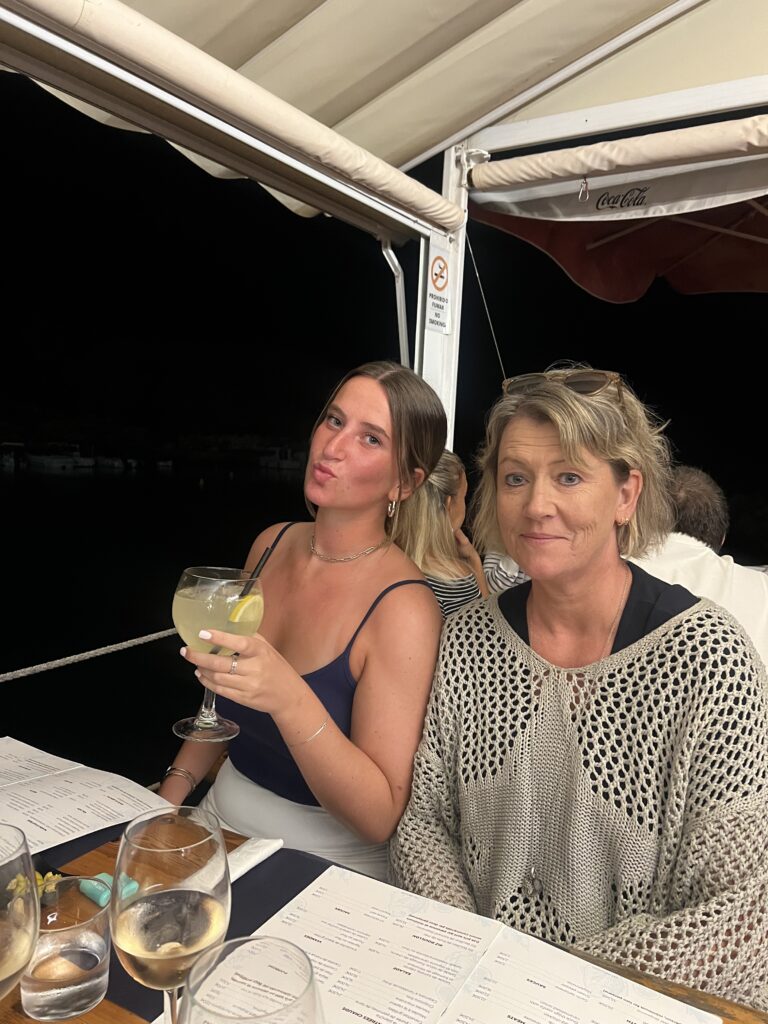
First off, as Molly’s Mum I have to say I am beyond proud of how she has steered herself through her life despite having OCD and intrusive thoughts that made her childhood and teen years a misery. As her parents, we had no clue as to what she was enduring. We thought she was suffering extreme stress over exams. I would go back in time and comfort the young her with all my might if I could, but I can’t.
When we first were told and were starting to understand what she was going through, it was a massive shock. The fact that she came close to suicide on more than one occasion was unbearable. I felt guilt and horror that we were not able to help her when she needed it. She is always so full of life, funny and loud, meaning she masked it amazingly. We tried to learn as much as we could about OCD especially the more taboo themes and she helped us with this by answering questions with straightforward honesty. I think she is and has been incredibly brave with her openness and it is helping so many people.
In support of my marvellous Molly, I am doing a course in Mental Health Awareness (bloody hard studying at the grand old age of 56!) and helping her with proof reading and editing the blogs. I am proud and honoured to be able to support her supporting others in any way I can. I’m a lucky Mum.
Share Your Story
You can include a photo of yourself, or stay completely anonymous, entirely your call. Every submission is reviewed before publishing
Stories shared here are personal lived experience and are not medical advice. If something you read brings up difficult feelings, support details are in the footer of every page
Disclaimer: Inside Intrusive provides peer support, educational content, community discussion and events related to OCD and related experiences. It is not intended to replace professional medical, psychological, psychiatric or therapeutic advice, diagnosis or treatment, and taking part does not create a therapist–client or doctor–patient relationship. Always seek the advice of a qualified healthcare professional regarding any mental health concerns.
These Terms and Conditions, and any dispute or claim arising out of or in connection with the use of this website or our services, shall be governed by and construed in accordance with the laws of England and Wales. By using this website and our services, you agree that the courts of England and Wales shall have exclusive jurisdiction to settle any dispute or claim arising from or related to these Terms, our services, or your use of this website.